Where does Teta Loula's fabric come from? All of our current Home & Lifestyle pieces begin in Akhmim in Upper Egypt. Hossam works with women artisans who weave the base fabric on the nool—the loom—and finish it into pieces such as aprons and table runners. We then add the Teta Loula embroidery and the story behind each design.
We could have bought fabric from almost anywhere.
But we got so much luckier. We met Hossam and found Akhmim.
We fell in love with both stories: the story of the fabric and the story of the person helping us make it.
Before the embroidery, there is the nool
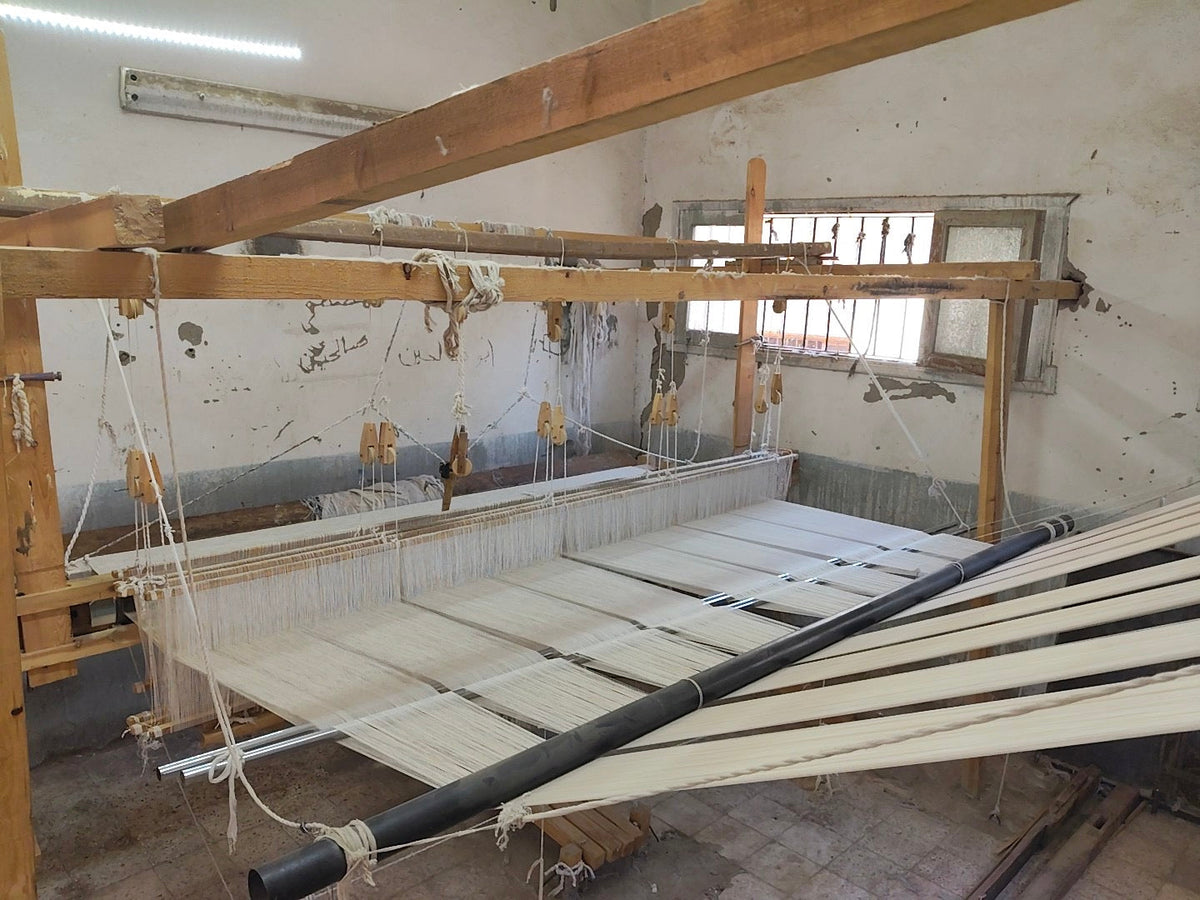
In Egypt, the loom is called the nool—نول.
The women artisans Hossam works with use the nool to make our base fabric. Their work does not stop when the cloth comes off the loom. They also finish that fabric into the product it needs to become: an apron, a table runner or another piece for the home.

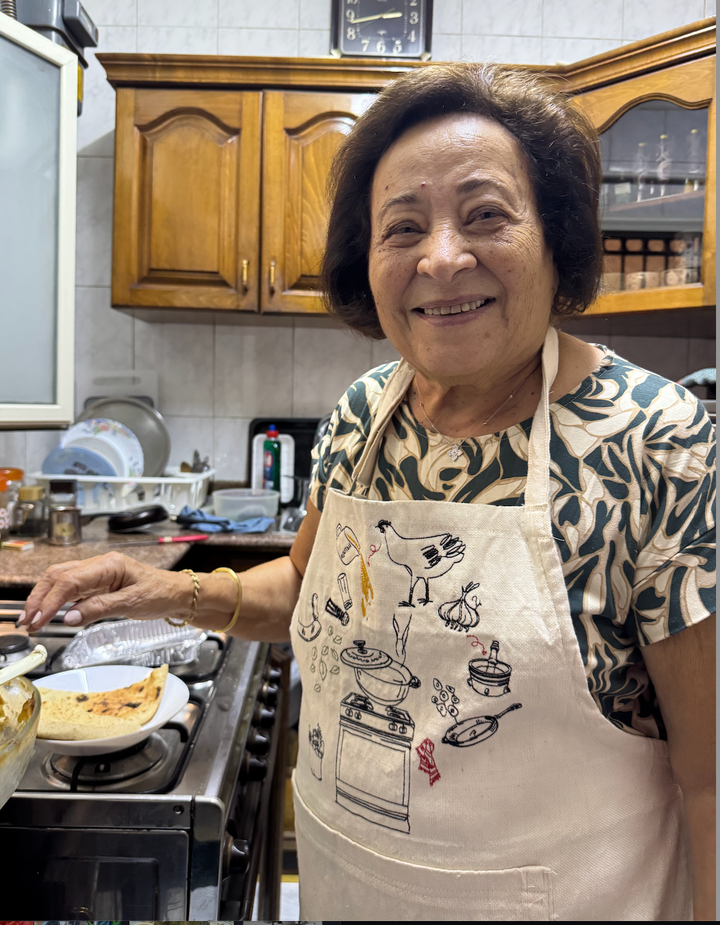
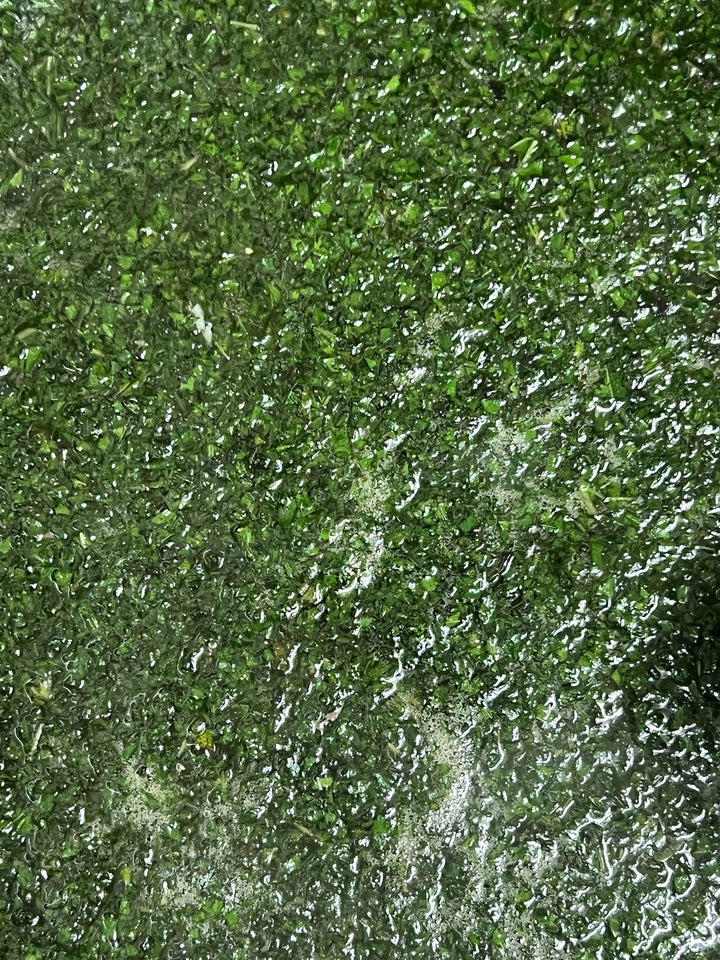
Only then does it come to the next part of its life with Teta Loula. We add the embroidery: molokheya leaves, donkeys carrying the Eid table, windows from Shababeek and all the other details that make each collection ours.
This is the journey behind every Home & Lifestyle product we currently make.
Why Akhmim?
Akhmim sits in Upper Egypt, near Sohag. Its history with textiles stretches back thousands of years, across Pharaonic, Graeco-Roman, Coptic and Islamic Egypt. It has been known by different names, including Panopolis and Shemin, but weaving kept returning as part of the city's identity.
That history is not locked behind museum glass. It is still present in people's homes and working lives. In a report about Akhmim's weavers, Ahram Online described weaving as a family affair and reported that women account for around 80 per cent of the city's weavers. The work passes between generations and between members of the same family. (Read the Ahram story)
You can read about Akhmim's textile history and count the centuries. What interested us was meeting someone whose own family story sits inside it.
Hossam started with his father
Hossam began working with Akhmim textiles when he was a child because it was his father's work.
His father travelled to exhibitions inside and outside Egypt. This was how the work reached customers: packed up, carried to another city or another country, then unpacked again so people could see what Akhmim was making.
After his father died, Hossam spent two years away from the craft. He was only 12. Then he returned and began working in exhibitions with his brother, continuing until his final year of secondary school.
Textiles were the family work. They were not originally Hossam's plan for himself.
The Police Academy—and the road back to Akhmim
Hossam's dream was to join the Police Academy. He applied two years in a row and reached the final stages both times, but it did not work out for reasons outside his control.
So he continued at the Faculty of Commerce at Sohag University. He worked to pay his way through college, and eventually found himself returning once more to exhibitions and to Akhmim textiles.
This time, he did not want simply to return to the same place. He wanted to build something of his own.
Starting again with a gameya
Hossam began from zero with EGP 20,000 from a gameya—جمعية, the rotating savings system many Egyptian families and friends use to help one another reach a larger sum.
At first, he bought finished work wholesale from his brother. Little by little, that changed. He began sourcing his own materials from traders in Cairo and working with local artisans to produce the pieces himself.
Today, his work includes runners, coverlets, shawls, sofa throws and custom pieces made in the size or form a client needs. He has spent more than five years building this part of the business, beginning while he was still at university.
When he sent us his story, he finished by saying:
"This is everything about my working life—the personal adventures and circumstances that only God knows."
The women who turn fabric into the piece
Hossam works with women artisans in Akhmim who operate the looms and finish the woven fabric into the pieces we order.
This distinction matters to us. They are not a vague group hidden somewhere in a supply chain. Their work is the supply chain.
They make the fabric. They turn it into the base apron or runner. Hossam coordinates the work and materials, and the finished pieces come to us ready for our embroidery.

The fabric is not an anonymous surface underneath the design. It already has a place and a story before we add a single stitch.
Then our designs arrive
Once the Akhmim piece reaches us, another story begins.
The molokheya apron carries the leaves, the tasha, the shah'a and the familiar chaos around the pot.
Our Eid El Adha pieces carry fattah, the Eid table and the donkey who found his way into the collection.
Shababeek began with windows, balconies and the foods Egyptian families have preserved around them.

The embroidery tells those stories, but every one of them begins with the same first step: fabric made in Akhmim.
Why this matters to us
We did not want to choose local fabric only so we could put “made in Egypt” beneath a product name.
We wanted to be able to follow it.
That is how Akhmim reaches your table.
Follow the fabric
All current Teta Loula Home & Lifestyle products use fabric from Akhmim.

Explore Teta Loula Home & Lifestyle
Author: Mary Sherif
Teta Loula is an Egyptian cookbook and lifestyle project inspired by my grandmother's kitchen. We make pieces that carry Egyptian food stories from the kitchen to the table.